
What is the unsung plant hero of summer 2026?
Rosie Fyles, Head of Gardens, at Chiswick House & Gardens, writes about gardens, nature, plants and people every month.
This month, she writes about her plant hero of summer 2026.
Written for The Chiswick Calendar
While we struggled through heat – and worried about our parched, bleached gardens – there was one plant across the nation applying climate adaptation to ridiculously impressive effects. It gave the appearance of death; in some cases, it disappeared. If there was a prize for the most obvious, stark indicator of drought, it won that too.
My plant hero of summer 2026 is grass, in its most common, often overlooked form. Despite its pallor, ongoing behaviour (dormancy) and absence from our gardens, it is resurrected after very modest rain. Lawns all around the worst-hit gardens, in terms of drought and wear and tear, are going green again as grass proves its alive, its roots were resting and waiting for moisture.
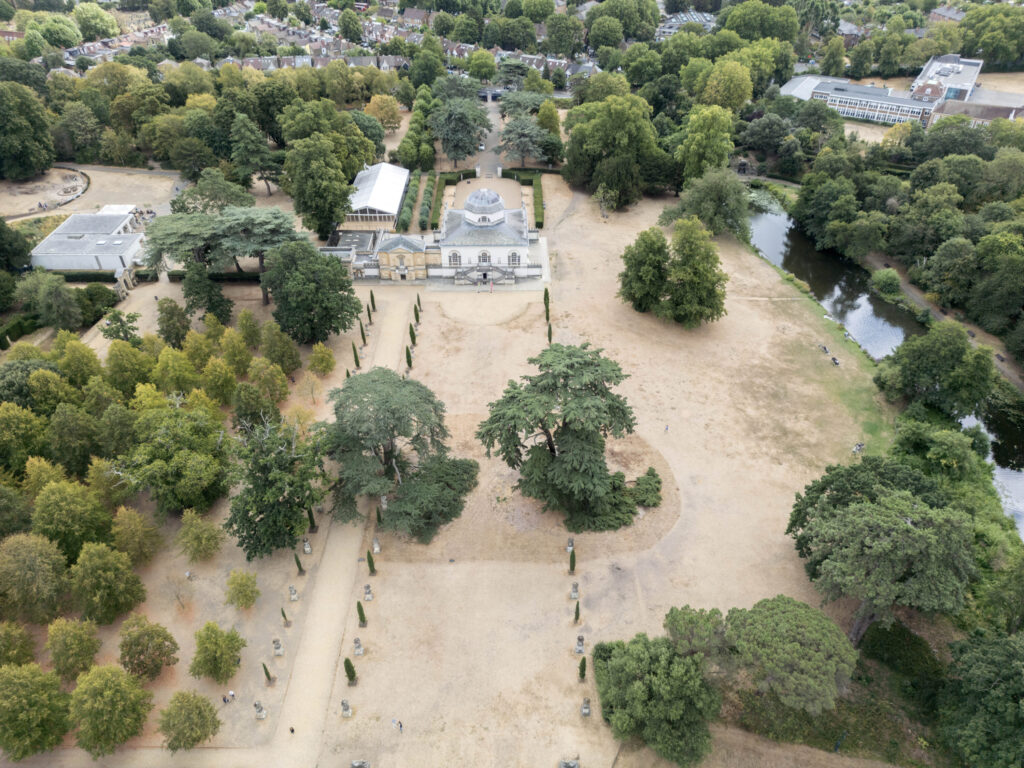
The green is augmented by ‘weeds ‘, of course – runner up prize of summer 2026 to the dogged yarrow (Achillea millefolium), also called ‘hundred leaved grass’…
What does this mean for our existing lawns in our future dry summers?
Anxiety levels about grass’s ability to return can fall. I don’t think they can vanish because grass does too good a job of implying a desperate, grief-filled situation. It will continue to fool us and make us doubt its persistence. Let’s have more confidence in the “perfect groundcover plant” as my RHS tutor called it. We might need to tolerate and rest easy with more yellow in our landscapes too.
However, I don’t think that we can accept that ‘English grass’ – the mix of ryegrass, fescue and bent as we know it – gives us the type of future we need. If you close your eyes and think of your 2050 garden visit, and what you would feel reassured by, where you will find beauty and solace, the colour green surely must be heavily involved underfoot. Without anxiety.
That’s just one reason why this year and next the team at Chiswick House Gardens will be trialling lawn alternatives – better for wildlife, soil quality, water retention – and green. Look out for more information on this as we Remake the Italian Garden, testing areas of ‘lawn’ in shade and sun with different approaches.
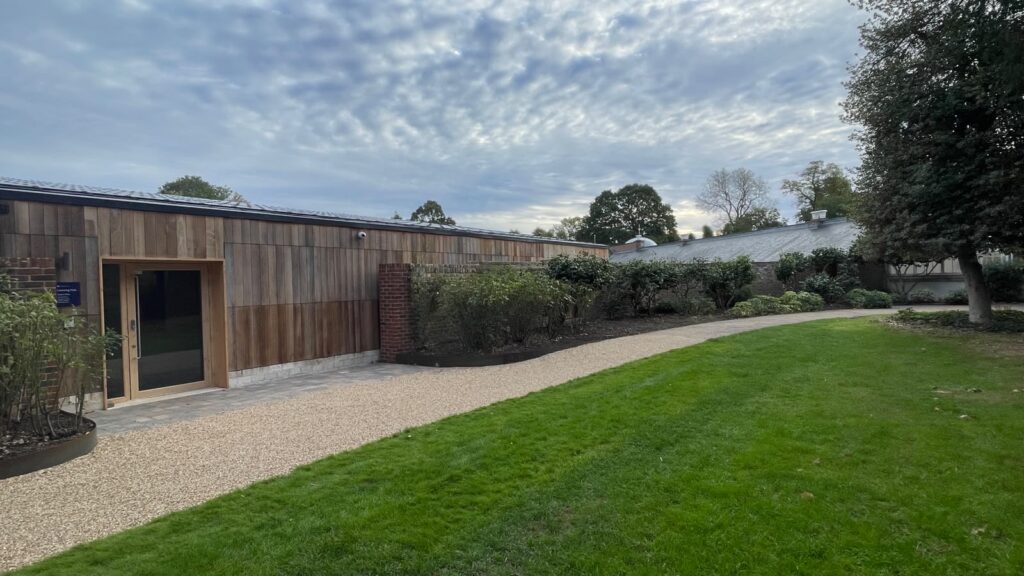
We will share what we are using and how we are taking care of it too: we are looking for options that over time require less care and water. Our goal is to find an alternative to grass that offers pollinators sources of nectar, can be walked on and sat on if you fancy a rest, might have flowers at certain times and it needs to be a groundcover planting that we can keep short (mow). Are we asking too much? This time next year, we find out.
